
JaPaTek Solution
Water Waste Treatment Plant Design
This project defines a complete water waste treatment plant design for a 7000 TCD facility serving a sugar mill owned by PT. Perkebunan Nusantara. The engineering scope covers the full process from influent intake to final effluent discharge, with an emphasis on reliability, maintainability, and alignment with environmental discharge standards.
The description is structured around a set of practical pointers:
- Process sequencing – the design clearly maps how wastewater moves from reception and screening to equalization, biological treatment, clarification, tertiary polishing, and sludge handling.
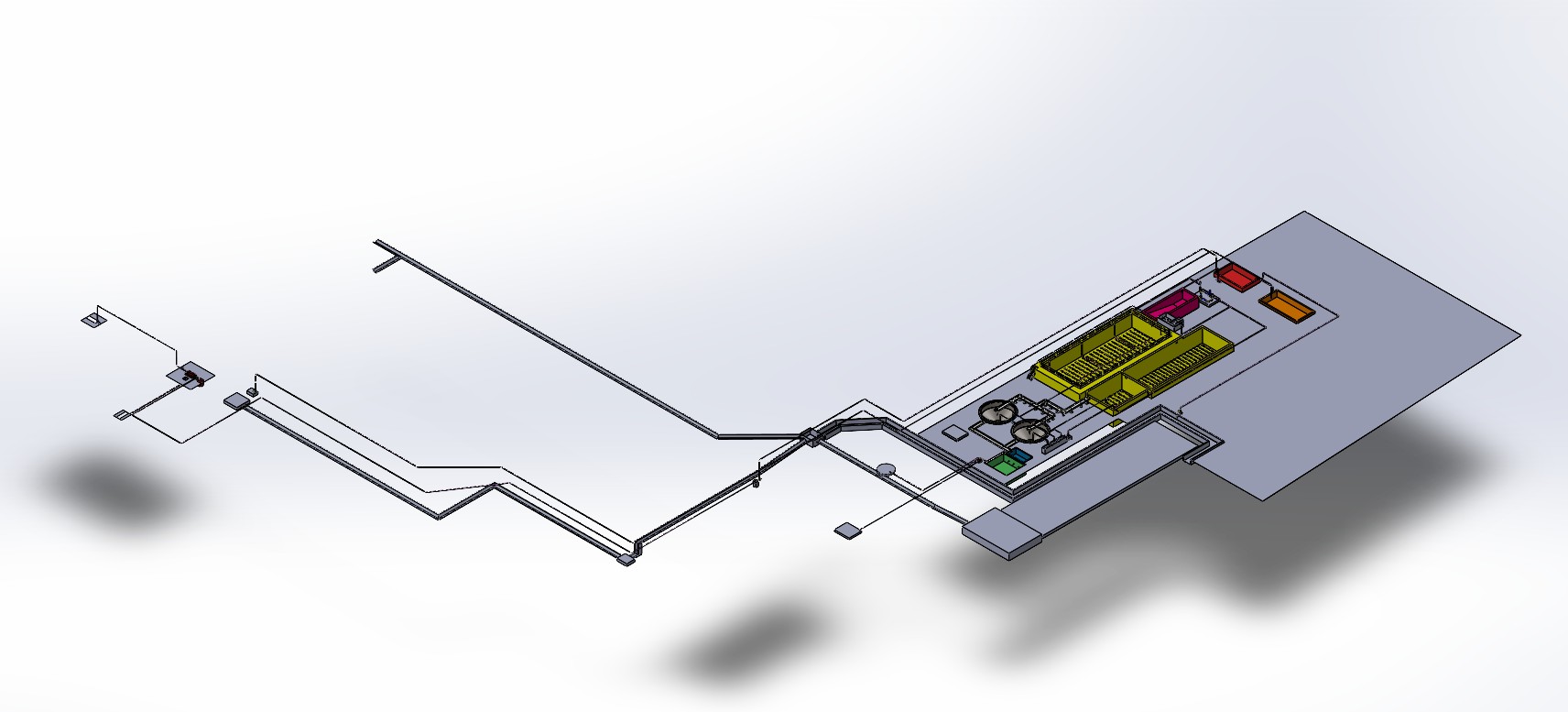
- Layout optimization – the plant layout balances equipment placement, piping routes, access for inspection, and service corridors to support safe operation and maintenance.
- Piping and instrumentation integration – the plan details how process piping, valves, pumps, flow meters, analyzers, and control panels work together to maintain stable treatment performance.
- Operational resilience – the system design includes redundancy, bypass arrangements, and buffer storage volumes to manage variability in inlet flow and to ensure continuous operation during maintenance.
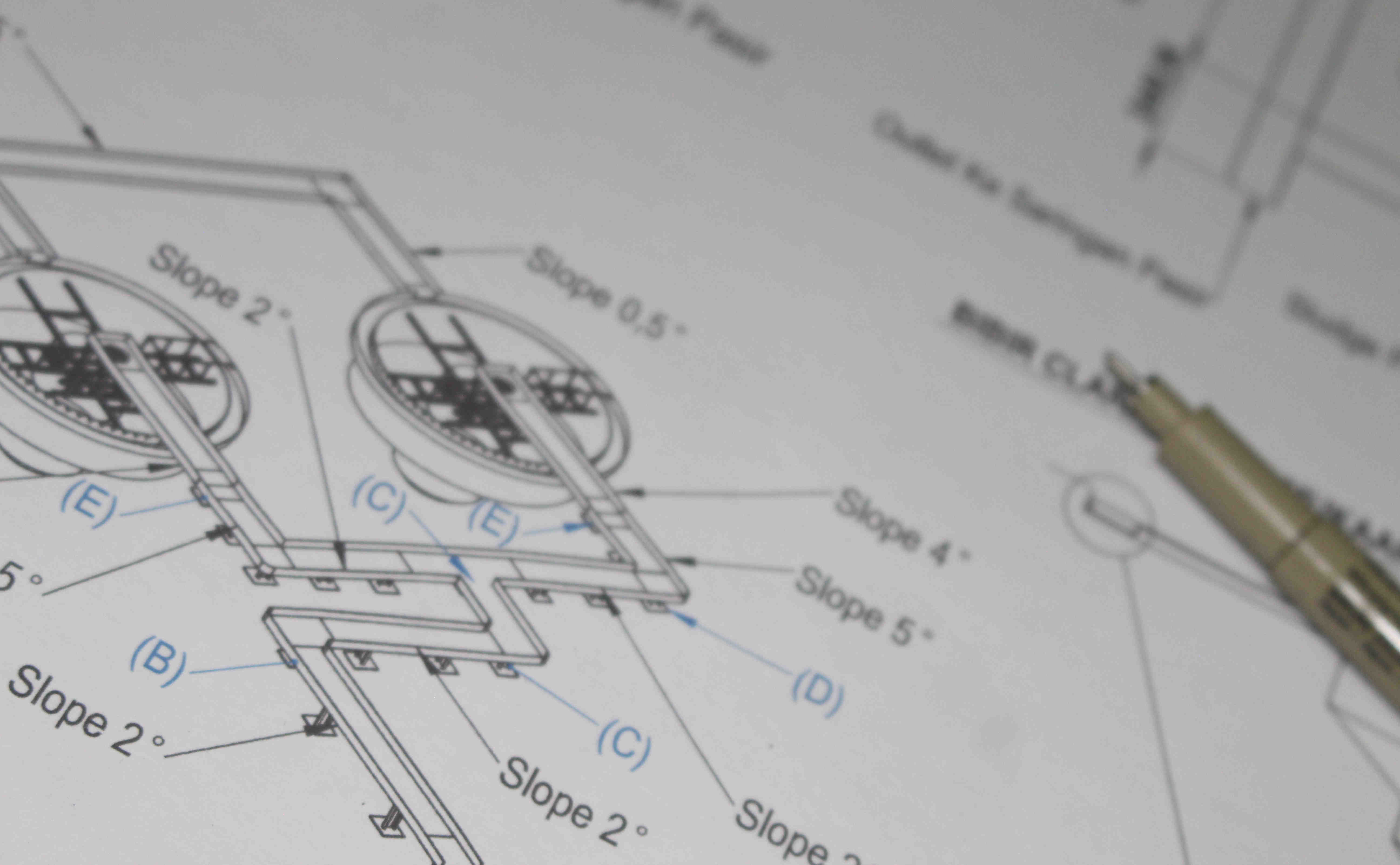
- Documentation and delivery – the project also covers project management deliverables such as equipment specifications, construction drawings, and commissioning documentation, ensuring the design is ready for implementation.
The narrative explains how the project addressed specific site and operational requirements. It discusses how the treatment plant was organized to handle high-strength sugar factory wastewater, how it accommodates seasonal variations in flow and load, and how it integrates with the existing industrial utility network. It also highlights the need to align with regulatory monitoring, chemical dosing strategies, and sludge dewatering considerations.
In addition to technical detail, the description emphasizes the benefits for stakeholders. For plant operators, the design provides a robust foundation for stable wastewater management and easier troubleshooting. For management and regulators, it demonstrates a commitment to sustainable industrial practice through efficient resource recovery, controlled discharge, and minimized environmental impact.
Ultimately, this plant design is presented as a strategic investment in long-term operational performance. The narrative positions the project as both an engineering milestone and an environmental solution, showing how a well-organized wastewater treatment facility can protect the sugar mill, conserve water resources, and support responsible industrial growth.
Our work in the field